
The spring solstice is not just a note on the calendar in Kierikki. It is a gateway into a time when people’s lives were entirely reliant on natural rhythms. In Kierikki, modern people get to participate in the continuum between people and nature that has extended all the way from the Stone Age to today.
Kierikki participates in Oulu’s year as the European Capital of Culture through its Ancient Survival Skills project. The project’s goal is to make the relationship between people and nature visible. The project invites people to consider general questions of survival in a time when everyday life is often divorced from the rhythms of surrounding nature.
In the Stone Age, communal life and spiritual culture were based on a close-knit relationship with nature and the repeating rhythms of the annual cycle. These rhythms guided life, thinking, and community practices. They created the basis for survival.
The same basic structures still affect the lives of modern people, even if they are not acknowledged. Changes of the annual cycle, like the spring solstice, still offer moments when the connection between modern life and Stone Age life takes shape.
The annual cycle was the clock of the Stone Age
The annual cycle was not just a background phenomenon in the Stone Age, but the basis of all life. It was monitored closely, and its changes guided everyday lives, mobility, and communal gatherings.
Stone Age people did not measure time in numbers or calendar dates. Time took shape as changes in the environment: increases in light, melting ice, birds returning, and the sun’s trajectory on the horizon. Spring solstice was a concrete and perceptible moment that one could see and experience.
During spring and fall solstices, the sun rises exactly from the east and sets exactly in the west. Day and night are equally as long everywhere on the globe. For ancient communities, these moments were trustworthy and easily perceptible fixed points since the locations of sunsets and sunrises change during the year. Solstices helped people discern the annual cycle already in the Stone Age, before the birth of agriculture.
In Kierikki, the annual cycle is not only a thing of the past. It reminds us that people are a part of the same continuum: a dialogue between natural rhythms, light, dark, and the seasons.
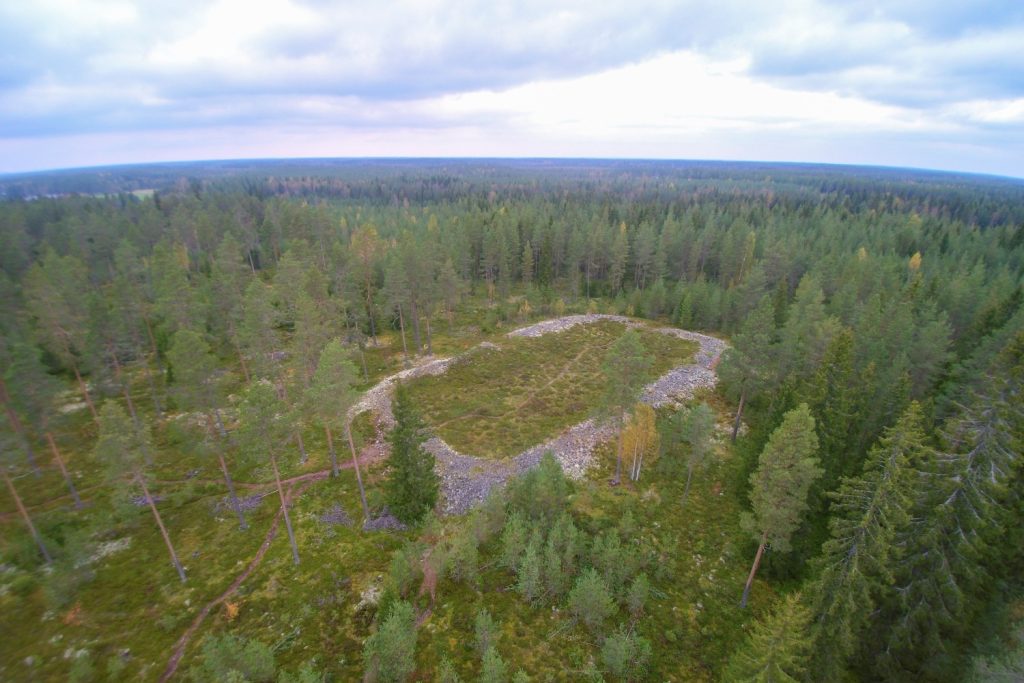
The Kastelli Giant’s Church in Raahe is similarly oriented as Stonehenge: oriented from the sunrise on the summer solstice to the sunset on the winter solstice. Picture: Vesa Laulumaa, Finnish Heritage Agency
Megaliths made time communal all over the globe
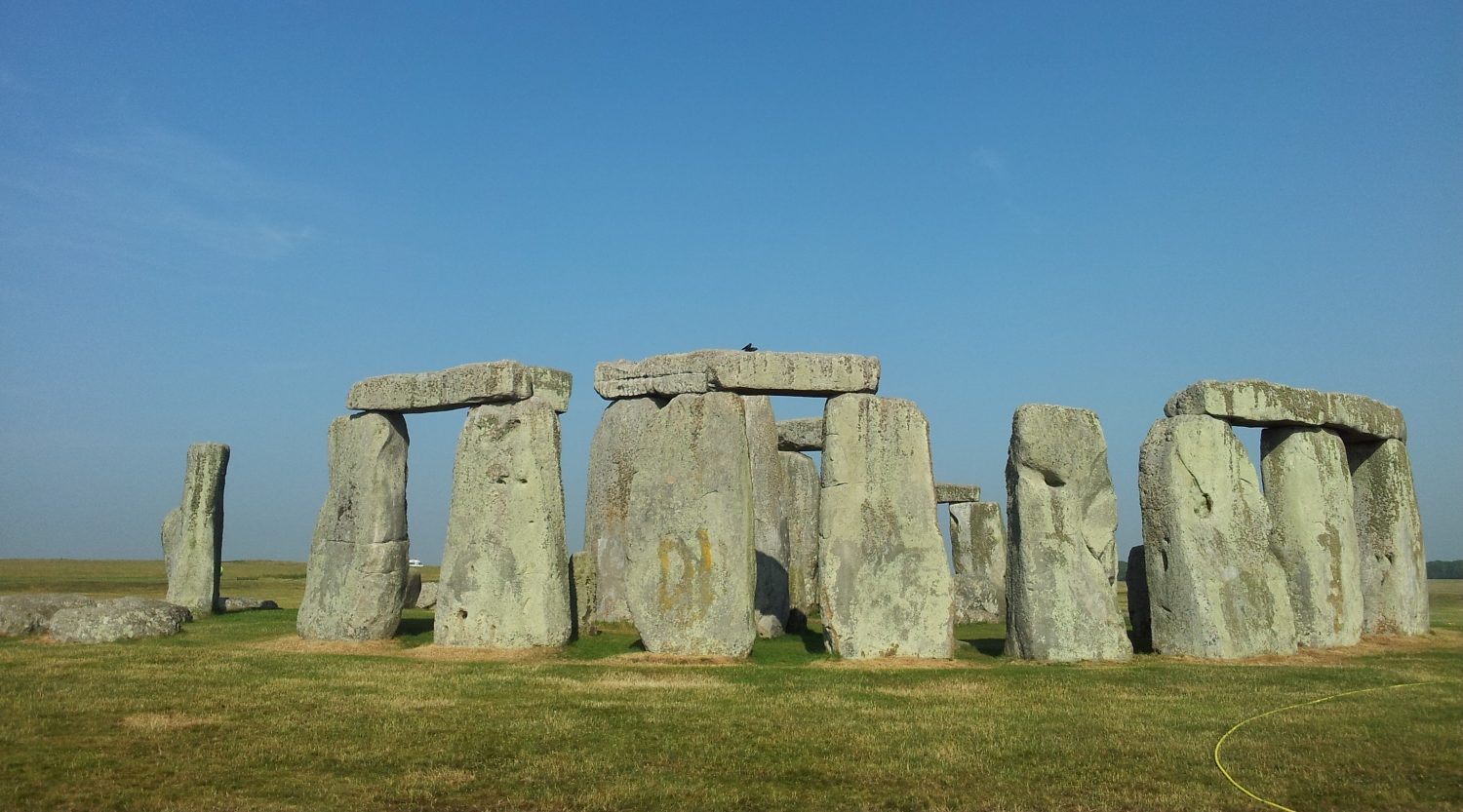
Monitoring time was also a communal act. Turning points of the annual cycle gathered people into the same locations and shared moments. Large stone structures, megaliths, are found all over the world. It has been determined that they were used to measure time, for rituals, and for gatherings. The most known example of this is Stonehenge in England. Such structures inform us about the advanced skill of Stone Age people in monitoring celestial objects and connecting them to their rhythms of life.
In Finland, such Stone Age structures are the Giant’s Churches which are considered northern megaliths. There are approximately 60 such structures in the region of Kierikki, Oulu, and the Bothnian Bay. Giant’s Churches are large stone circles that are often located in high places – in the Stone Age the locations were islands or tops of capes.
The circles were piled by hand and consist of large stones in the shape of a rectangle or oval, including symmetrically placed openings. Based on research, the trajectory of the sun was considered when the stones were placed. In many such locations, the sun sets or rises from a specific opening on a specific date.
For example, the Kastelli Giant’s Church in Raahe is oriented similarly to Stonehenge: from the sunrise on the summer solstice to the sunset on the winter solstice. The structures likely also included wooden parts that have not been preserved today.
Modern people may consider experiencing time as a counter-experience to everyday schedules. When clocks and calendars are set aside, we may focus on light, sceneries, and trajectories of celestial objects. The spring solstice offers us an opportunity to slow down and observe how the rhythms of time still exist. People can still experience time in the same way as people in the Stone Age also did: not as something to measure, but as something to experience.
The past comes alive when the renewed exhibition opens in Kierikki on June 6, 2026. Kierikki’s summer programming is part of the official Oulu2026 Capital of Culture programme.
Take a bold step back and try out your survival skills this summer in Kierikki!
Text: Patrik Franzén, Curator and Project Director, Ancient Survival Skills Project
Translation: Joel Loukkola
More information on Giant’s Churches
Marianna Ridderstad, Suuret jätinkirkot: rakenteet ja suuntaukset. Suomen arkeoastronominen seura ry, 2023.
Jari Okkonen, Jättiläisen hautoja ja hirveitä kiviröykkiöitä – Pohjanmaan muinaisten kivirakennelmien arkeologiaa. Link to pdf (oulurepo.oulu.fi; in Finnish).
Jätinkirkko. Arkeologisen kulttuuriperinnön opas (in Finnish)
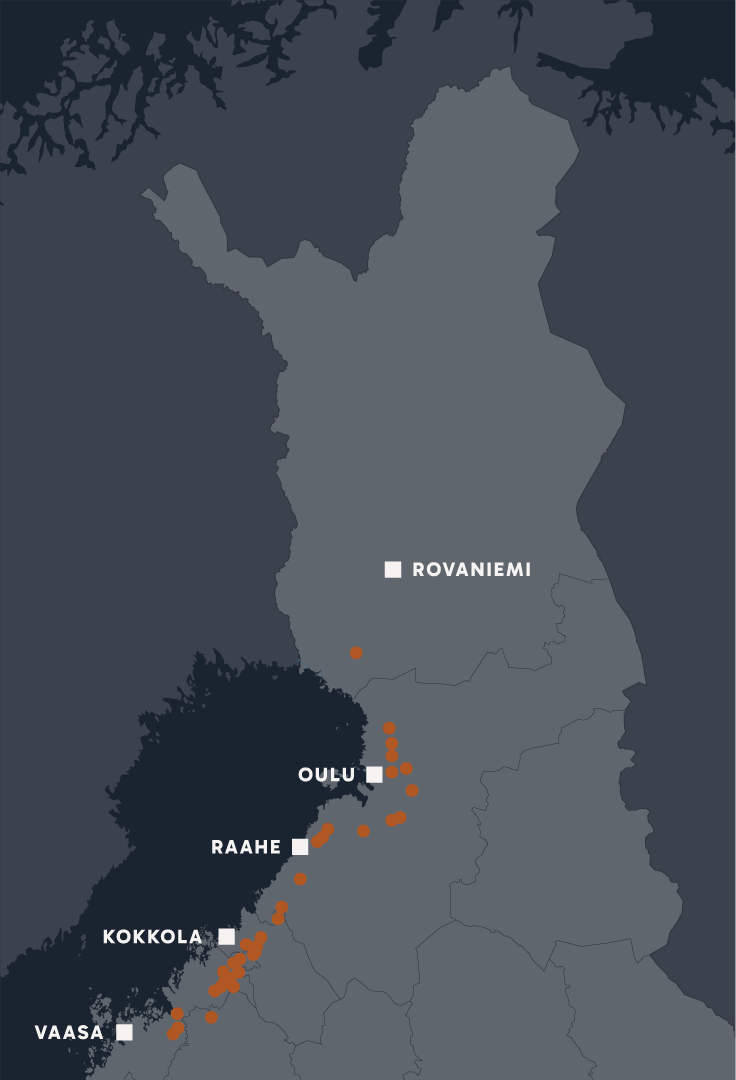
Giant's Churches in Finland.