
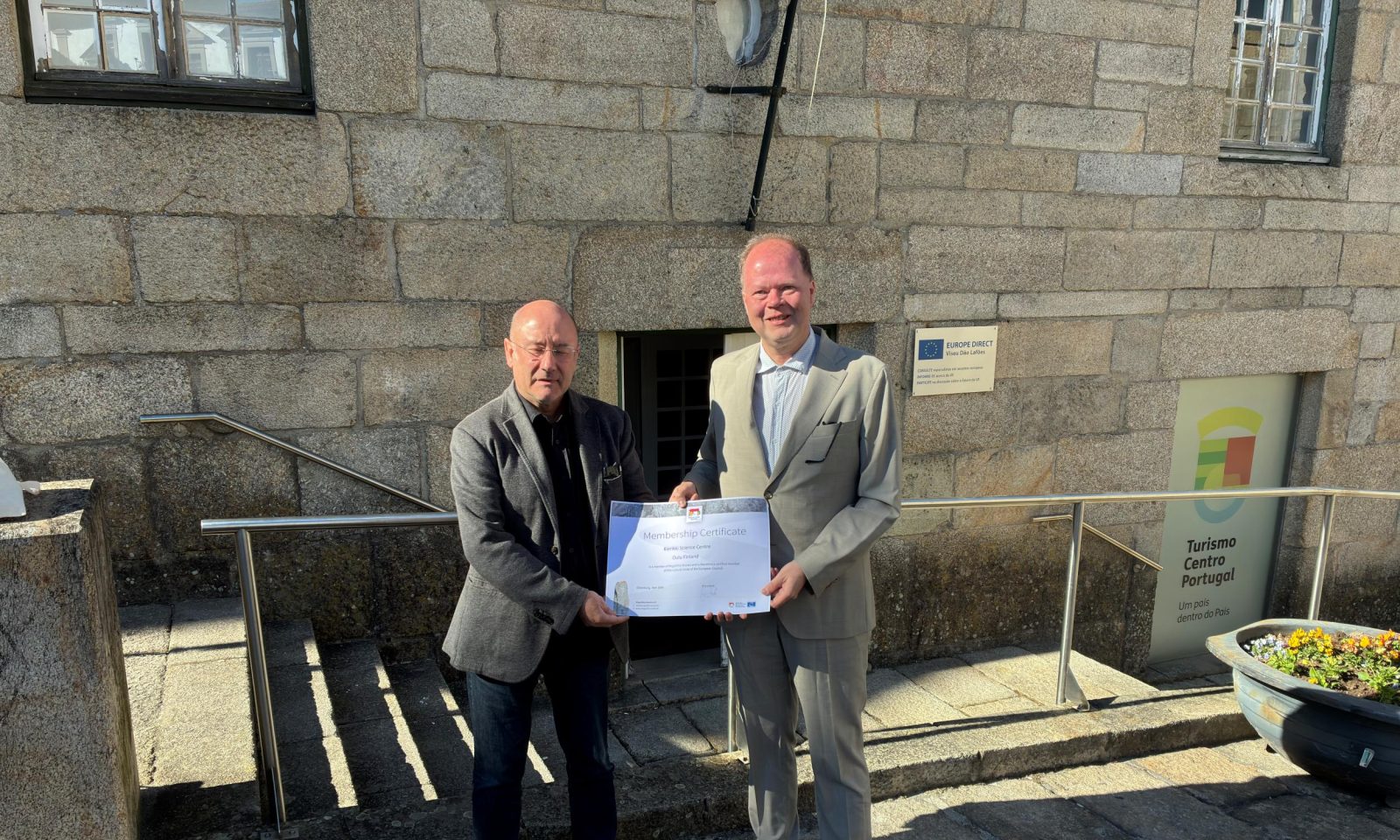
Kierikki’s Stone Age cultural heritage and the Giant’s Churches in the Oulu region and along Ostrobothnia’s coast have received a significant international certification. Kierikki is the first Finnish site to join the Council of Europe’s European Route of Megalithic Culture. The decision was made in the annual Megalithic Routes 2026 meeting in Viseu, Portugal, in late March.
The recognition reinforces the status of Kierikki and the prehistoric stone structures known as Giant’s Churches as a significant part of European prehistoric cultural heritage and brings international attention to the region.
Megalithic Routes is the European Union’s cultural heritage network that compiles prehistoric megalithic stone structures, museums, and research organizations all over Europe. The network includes over 30 members, most of which are located in central and western Europe. Kierikki is the northernmost member and brings a new regional and cultural perspective to the cooperation.
Membership in the Megalithic Routes network reinforces Kierikki’s opportunities for international research cooperation. It also brings the unique sites in the Oulu region into discussions regarding European cultural heritage. The European Capital of Culture year has played a part in making this possible.
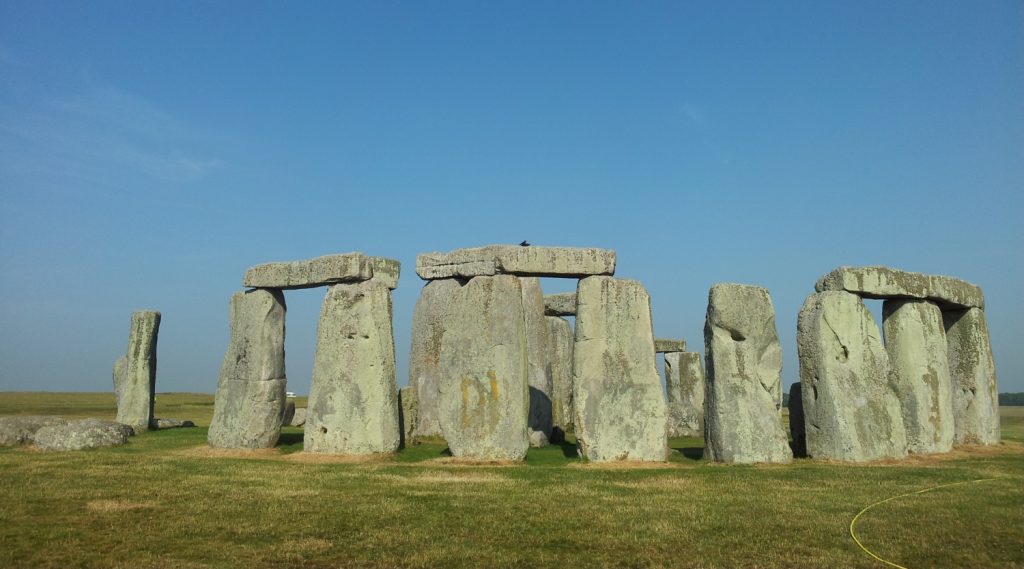
Stonehenge is the world’s most famous megalith. Megaliths are confirmed to relate to measuring time, rituals, and gatherings. Picture: Harrie Wolters
“The European Capital of Culture year has been a central factor in building new significant cooperation partners for Kierikki. They improve our opportunities in participating in coming projects and improving Kierikki’s operations”, Kierikki’s Curator Patrik Franzén explains.
Franzén, who was presenting the region’s Giant’s Churches in Portugal, was very satisfied with the recognition.
“Membership in the network also means highlighting unique relics as part of European cultural heritage. We hope that other relevant regions in Finland will join us in this cooperation.”
Kierikki participates in the European Capital of Culture year’s programme with the three-year Ancient Survival Skills project.
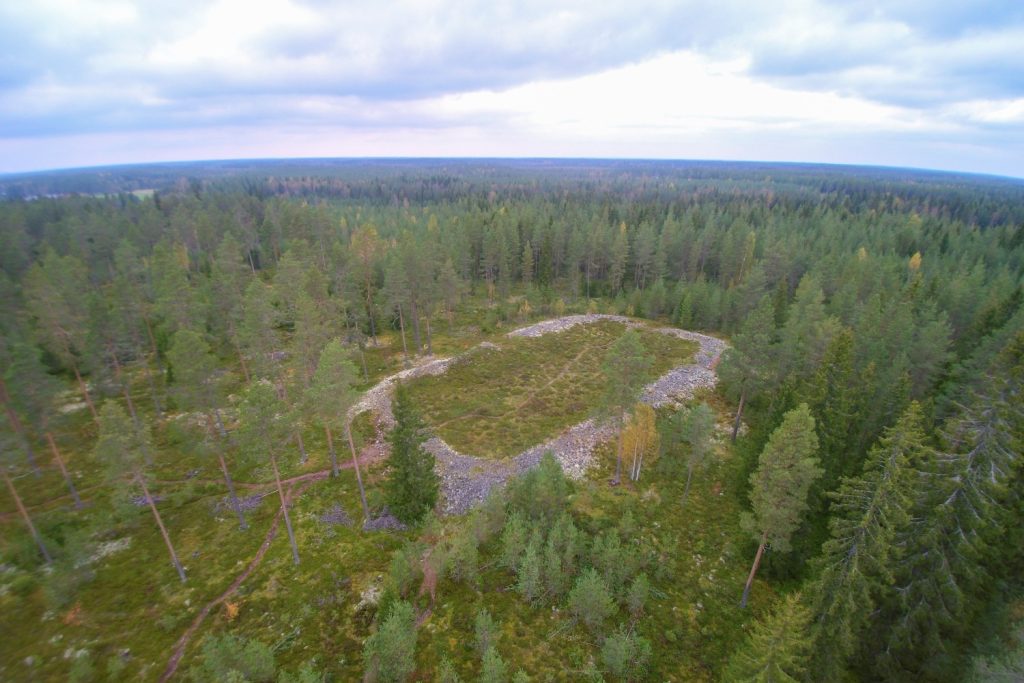
The Kastelli Giant’s Church in Raahe is similarly oriented as Stonehenge: oriented from the sunrise on the summer solstice to the sunset on the winter solstice. Picture: Vesa Laulumaa, Finnish Heritage Agency
Giant’s Churches are Finnish megaliths
Megaliths are monumental Stone Age structures primarily found in western Europe. Many of them were used to, for example, measuring time. Stonehenge is the world’s most famous megalith.
Giant’s Churches are megaliths in Finland. Giant’s Churches are large stone circles, often located in high places. During the Stone Age, the areas were islands or tips of capes. Due to earthrise after the Ice Age, the Giant’s Churches are located often dozens of kilometers inland today.
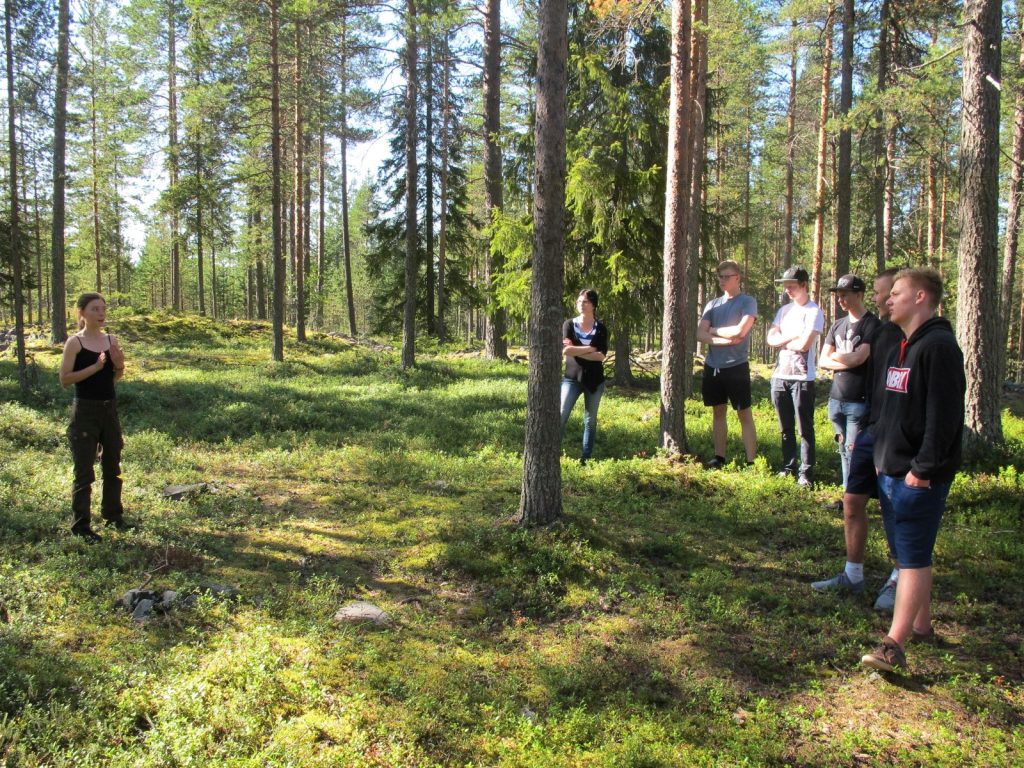
Archeologist Laura Ohenoja guiding an upper secondary school group on the Rajakangas Giant’s Church. Picture: Sami Viljanmaa
The Giant’s Churches in the Oulu region and Ostrobothnian coast are large structures surrounded by stone embankments. There are about sixty such sites known in Finland. The closest Giant’s Churches to Kierikki are Metelinkirkko Church in Yli-Ii, and the Rajakangas Giant’s Church in Haukipudas.
“Giant’s Churches form a unique part of the prehistoric landscape and research in the region. New research suggests that the gates of many Giant’s Churches are oriented towards the direction the sun sets or rises on significant dates, such as summer and winter solstices or the equinox”, Franzén explains.
Due to these features, Giant’s Churches can be considered a part of the wider European stone construction tradition.
Megalithic Routes – European Cultural Route website
The Council of Europe’s culture routes are international travel routes. They present our shared European cultural heritage and develop sustainable cultural tourism. There are themed routes for architecture, industrial heritage, art, and literature, among other themes. The route networks include attractions, museums, research organizations, and tourism businesses. Read more about culture routes here (www.coe.in).